
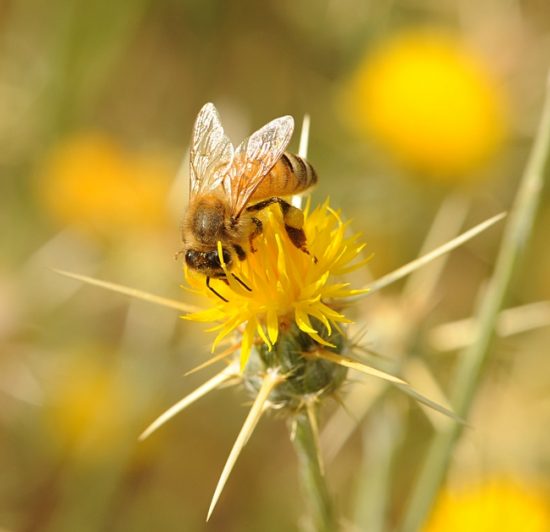
Single flower honeys (also known as varietal, monofloral or unifloral honey) differ from multifloral or wildflower honeys by the predominance of nectar collected from a single type of plant. In practice, this can be difficult to achieve. The bees cannot be herded or trained to go to a particular type of plant.
Single flower honey is the result of two conditions. First, the target plant must predominate so the bees have little choice of plants. Second, the beekeeper must time the introduction of the hive and the actual harvesting of the comb to coincide with this blooming period. This is done by carefully observing the blooming period of the chosen plant as well as possible overlapping blooming periods of other nectar-producing plants as well.
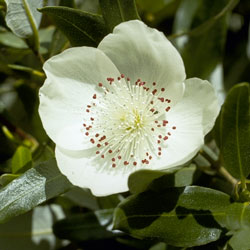
A good example from Florida is the delicious single flower Tupelo and Gall Berry honeys produced from the same region. Beekeepers harvest the honey from blossoming Gall Berry right after they’ve harvested the Tupelo honey from the earlier blossoming Tupelo trees.
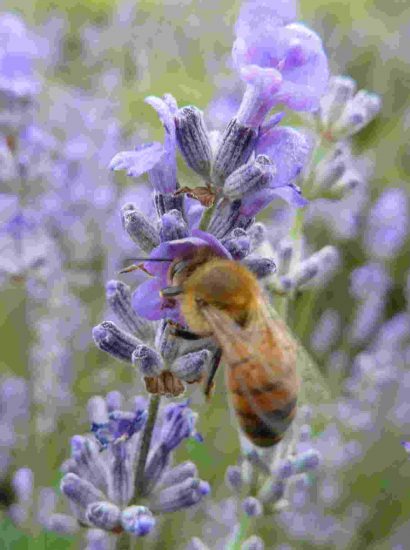
Yet sometimes timing is not so critical. When the plant is produced commercially in vast quantities, the bee hives are simply moved there for the blossoming period. A good example of this is Lavender honey of France.
It is wonderful to realise that honey, like wine, has hundreds, perhaps thousands of different varieties. Each type of single flower honey is a natural reduction of the nectar of its corresponding flower or plant.
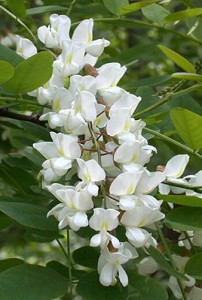
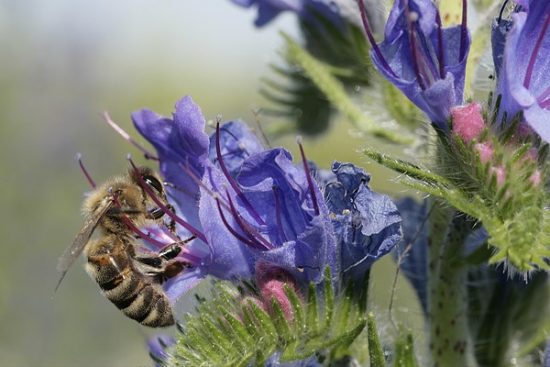
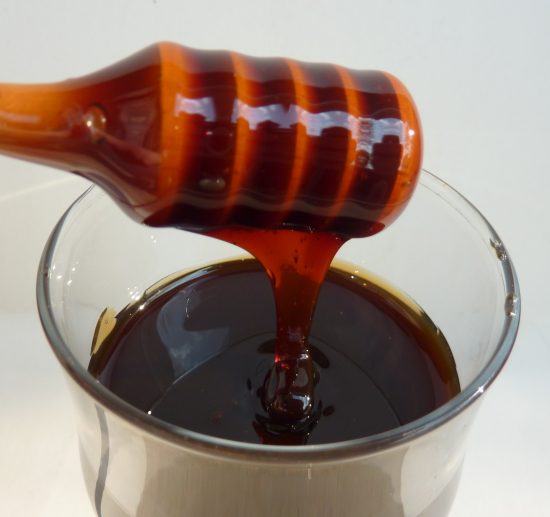
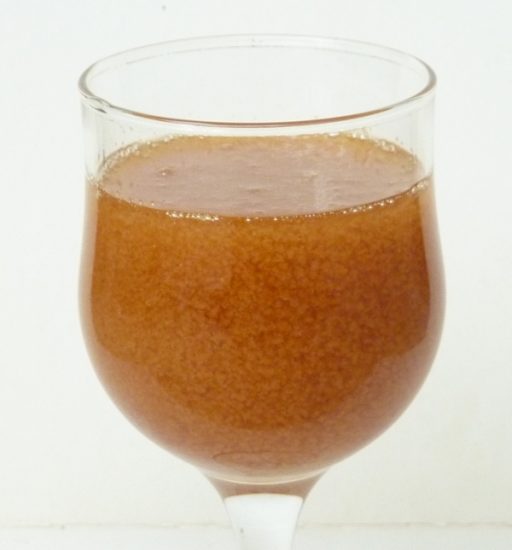
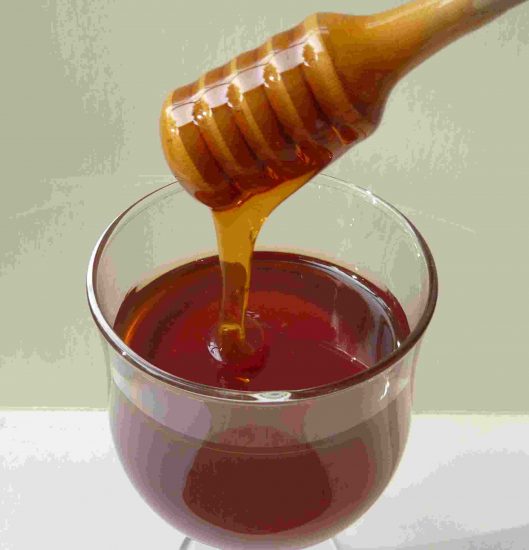
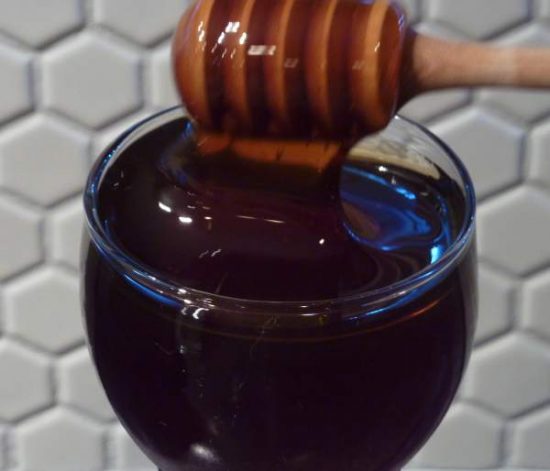
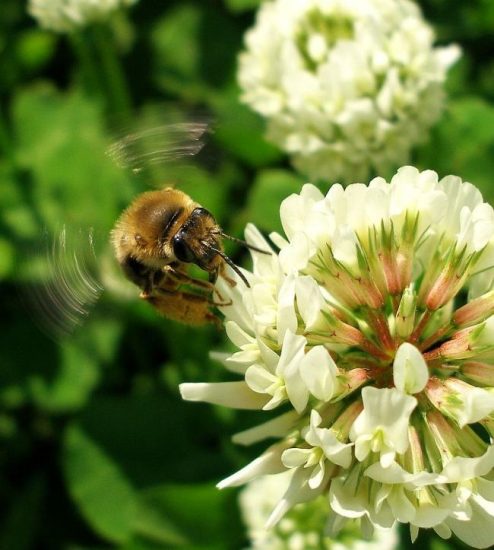


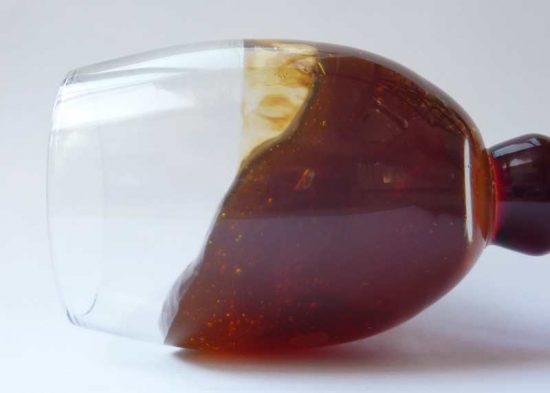


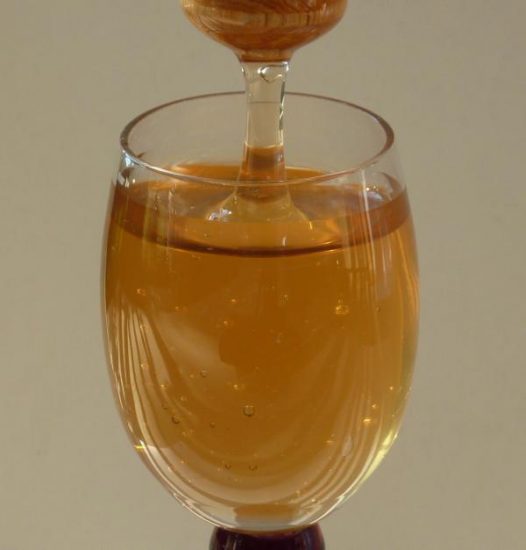
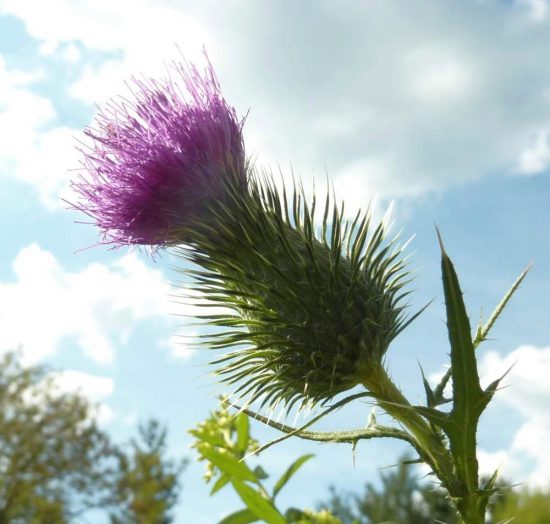
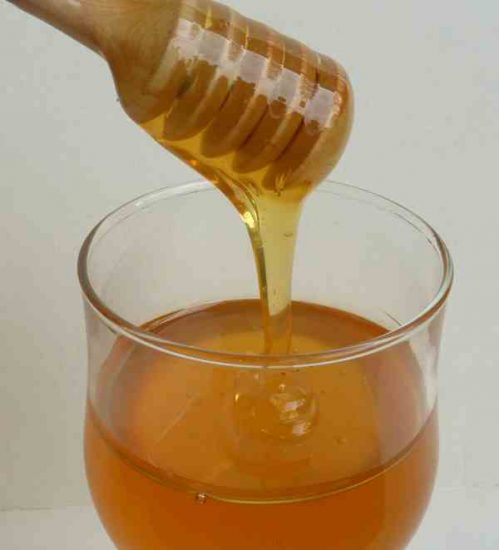

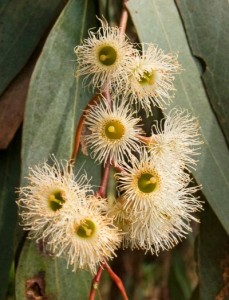
Like wine, the differences are sometimes subtle and complex and sometimes obvious and surprising. This is what makes single flower honey unique and special. By harvesting the honey as it comes from the hive, the characteristics that would otherwise be lost by blending are retained, and we are able to appreciate and enjoy the differences between the plants that create the nectar source for the bees.
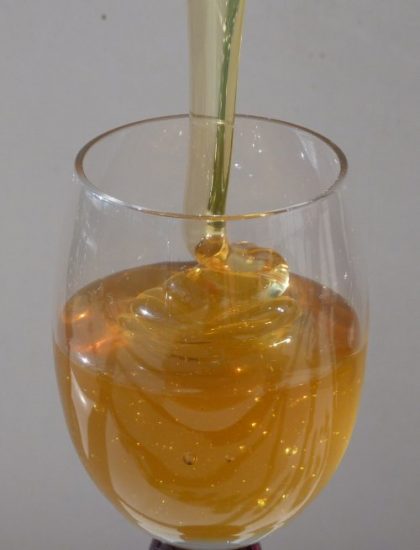
Trying different single flower honeys is a revelation of aromas and taste, each flower producing its own unique type of honey. Some dark and rich, others almost clear and light. Some very aromatic, reminiscent of their flower. Their taste; spicy, bitter, astringent, thick, smooth and creamy… hundreds of variations. And each honey is the result of the characteristics of the plants in the region of the hive where the honey was obtained.
Following the flow of honey to its plant source takes you around the world; from the moors of Scotland where Heather produces a highly prized Heather honey, to the rocky arid Mediterranean islands of Greece where aromtic Thyme honey is produced. In Europe, Australia, South America, the Middle East and all the countries of the world and thousands of regions where honey plants grow. Honey production is documented in Egyptian hieroglyphics and was world-renowned from cities long gone, such as ancient Hybla, Sicily. Hybla’s honey came from blossoms of the Linden Tree growing in the Iblean mountains, traced to the origin of the word, “Hyblean” meaning superlative or honeyed. And places where highly prized rare honeys are produced from a limited number of plants that produce only when conditions are ideal and dedicated beekeepers are only able to harvest it every few years, such as the much-loved, aromatic and very sweet Sourwood honey from the Appalachian area of USA.
In practice, it is rare find a honey that is made entirely of one plant. Why? Because it is rare to find only one type of nectar producing plant in the range of a bee hive. Nevertheless, honey with the characteristics of one plant type can be achieved as long as the proportion of nectar from this plant is high enough to produce the characteristic flavor, texture and aroma.
Proportions of flowers are usually determined by the percentage of its pollen in the honey. Pollen tends to be unique for each species of plant and can be identified and counted. Since different flowers have more or less pollen, there are often different pollen content requirements. A pollen percentage of 45% or better is common but it can be as low as 15% for certain types of single flower honeys that have low pollen counts (such as Lavender). This percentage is often set by the country of origin for more common single flower honeys such as Acacia or Linden honey.
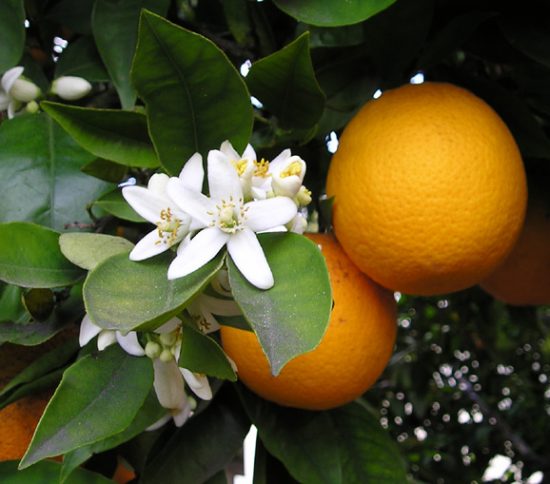
To keep the honey relatively pure, beekeepers must be very careful to place fresh hives near the target plant when it starts to produce nectar then remove the hives and extract the honey before the next set of plants blossom. Other times the predominance of a single species makes the production of almost pure single flower honey possible, such as orange blossom honey from orange tree groves.
Single Flower Honey
- Texas-based Huney.net Raw Honey Varietals March 7, 2013Hi, my name is Joely Rogers and I am the president of huney.net, LLC, an online honey store that showcases unique raw honey varietals from the regional United States. I formed my company in 2012 after falling in love with honey and honeybees during a nine-month apprenticeship with a former beekeeper who taught me how …
- Searching for Honey in Manhattan October 4, 2010Searching for the elusive Manhattan honey leads to the Union Square Market and the Fairway Market and a satisfying discovery of much honey.
- Taking The Honey Cure In Italy August 17, 2010Italy is home to a wide variety of high quality, certified honeys. We visit a store in Milan to discover why the consumption of honey is relatively low among Italians, and of course to try some great honey.


Leave a Reply